
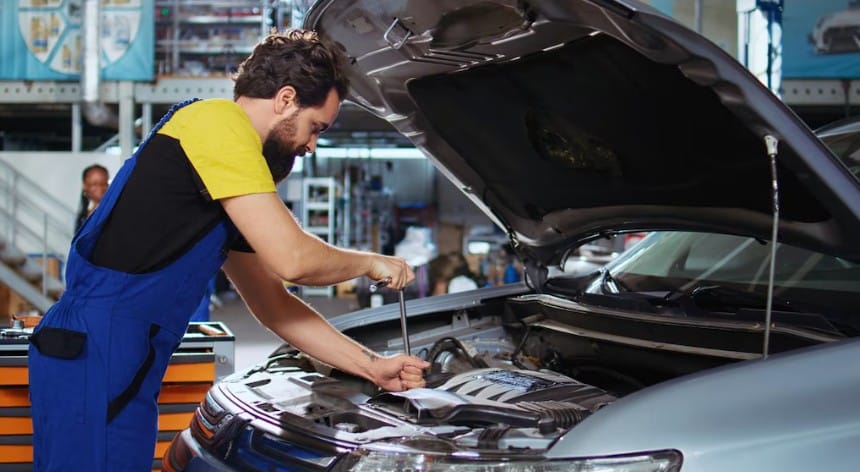
Drivers in Lexington, KY rely on their vehicles every day, whether it’s for commuting, school drop offs, work routes, or weekend trips. A smooth-running engine is essential, and one of the most important components keeping it protected is the radiator. The cooling system prevents overheating, protects internal parts, and ensures the engine operates efficiently. When something starts to go wrong, the vehicle often gives early warnings. Knowing the signs your radiator is failing can help you respond quickly and avoid breakdowns, expensive repairs, or permanent engine damage.
Many radiator problems start small and grow slowly, which is why so many drivers overlook them. This guide explains the early signs, why they matter, what happens if they are ignored, and how a professional mobile mechanic in Lexington, KY can diagnose the issue on-site before the problem becomes severe.
Understanding the Role of Your Radiator
Before identifying the signs your radiator is failing, it helps to understand what the radiator actually does. Its job is to circulate coolant through the engine, absorb heat, and release that heat through the radiator fins. When the system works correctly, engine temperature stays within a safe range.
When it begins failing, even slightly, you may notice inconsistencies in temperature, performance fluctuations, or coolant loss. If not handled quickly, these issues escalate into overheating, warped cylinders, blown head gaskets, or roadside breakdowns. Problems that could be solved early with a simple repair often turn into complex, costly fixes.
Common Signs Your Radiator Is Failing
Recognising the early warning signs can prevent thousands of dollars in damage later. While every vehicle may react differently, most failing radiators show similar patterns.
Fluctuating or Rising Engine Temperature
One of the earliest signs your radiator is failing is a temperature gauge that moves higher than usual. Even slight temperature increases can signal a coolant circulation problem, a partial blockage, or the start of a radiator leak. Many Lexington drivers ignore this, assuming it’s caused by weather, but a stable engine should not fluctuate.
Visible Coolant Leaks
If you notice puddles beneath your vehicle that are green, orange, or pink, it often means the radiator or connected hoses are leaking. Sometimes the leak is small and evaporates before it becomes noticeable, but damp spots near the front of the car or along the underside usually indicate early radiator failure.
Low Coolant Levels Without Explanation
When coolant levels drop but there’s no clear visible leak, internal radiator deterioration may be occurring. The coolant might be escaping through tiny cracks, evaporating due to heat, or mixing with oil inside the engine, all of which are strong indicators of a failing radiator.
A Sweet or Chemical Smell While Driving
Coolant has a distinct sweet aroma. If you notice it through the vents or around your vehicle, the radiator or connected components may be leaking. This is a common early red flag and shouldn’t be ignored.
Rust or Discolouration Around the Radiator
Rust, corrosion, or staining around radiator edges means coolant has been seeping slowly over time. This gradual deterioration weakens the metal and reduces the radiator’s efficiency. In older vehicles, this is one of the most frequent signs your radiator is failing.
Steam Coming From the Hood
Steam indicates the radiator is no longer keeping the engine cool. While this is an obvious sign, most drivers who reach this stage have missed earlier warnings. Steam should be treated as an emergency, and the vehicle should not be driven any further.
Why Ignoring Early Signs Leads to Costly Repairs
Many drivers continue operating their vehicles even after noticing the signs your radiator is failing, especially when the symptoms seem minor. However, radiator problems escalate quickly. Overheating can lead to warped metal components, transmission strain, and full engine failure. In severe cases, the engine may need to be rebuilt or replaced.
Ignoring a failing radiator can also cause issues in related systems. For example, a weak battery can cause additional stress during startup and contribute to overall engine strain. Drivers who are unsure whether the problem is linked to the battery or the cooling system often find clarity by comparing common signs, and resources like this guide on the difference between jump start vs battery replacement can help them understand which service may be needed if electrical symptoms appear.
Another example is how overheating can stress the fuel pump. When the engine temperature rises above normal operating range, the fuel pump works harder and may fail prematurely. Drivers who want to understand potential repair costs if overheating leads to additional component damage can review this detailed explanation of fuel pump repair costs in Lexington.
These internal links help readers see how a failing radiator can trigger other issues beyond cooling system damage, emphasizing why quick attention is important.
Preventive Tips to Protect Your Radiator
Preventative care goes a long way in extending the lifespan of your radiator and avoiding unexpected engine failures. Keeping coolant at the right level, scheduling routine flushes, checking hoses, and watching for early warning signs can make a significant difference. Lexington’s seasonal temperature changes can also place stress on the cooling system, making regular checkups even more important.
Drivers can also protect their cooling system by addressing other maintenance needs early. For example, replacing a weak battery or inspecting the fuel delivery system can prevent added strain on the engine and radiator. Preventive care doesn’t have to be complicated. It simply requires paying attention to small changes in temperature, unusual smells, or unexplained fluid loss.
How Mobile Mechanic in Lexington, KY
One of the biggest advantages of working with Mobile Mechanic in Lexington, KY is convenience. Instead of driving a failing vehicle across town and risking a breakdown, the mechanic comes directly to your location. This allows problems to be diagnosed early and prevents further damage caused by operating a hot engine.
Mobile mechanics can perform on-site inspections, coolant checks, leak detection, pressure testing, and full radiator diagnostics. They can also determine whether the problem is isolated to the radiator or connected to other components such as the thermostat, water pump, or hoses. Because everything is done on-site, drivers receive faster answers, faster repairs, and safer outcomes.
A mobile mechanic can also give practical advice tailored to your driving habits in Lexington, KY. Whether you commute long distances or mainly use the vehicle for errands, the inspection can identify risk factors early so you can avoid unexpected engine issues.
What to Expect During a Mobile Radiator Inspection
A radiator inspection typically begins with checking coolant levels, examining the radiator for external damage, and identifying corrosion or blockages. The mechanic may inspect for internal leaks, monitor engine temperature patterns, and test the pressure within the cooling system. If the issue is linked to electrical problems or battery performance, they will evaluate those components as well. If the overheating appears to be affecting the fuel system, the mechanic may inspect the pump or lines to ensure there is no additional damage.
Throughout the inspection, drivers receive clear explanations so they understand what is wrong, why it matters, and what the next steps should be. This prevents surprise repairs later and helps drivers stay in control of repair decisions.
Understanding the signs your radiator is failing is essential for protecting your engine, avoiding breakdowns, and preventing costly repairs. Early symptoms such as coolant leaks, rising temperatures, sweet smells, rust around the radiator, and unexplained fluid loss should never be ignored. Acting quickly prevents damage to connected systems including the battery and fuel pump, and a professional mobile mechanic in Lexington, KY can diagnose issues on-site before they escalate.
If you have noticed any signs your radiator is failing or simply want a professional inspection for peace of mind, contact Mobile Mechanic in Lexington, KY today. Schedule your on-site diagnostic, request a quote, or book immediate service before the issue becomes more serious. A quick call now can prevent an expensive repair later.